A point guard can protect the ball, collect assists, and still fail to run the team.
For me, the job goes deeper: control the pace, understand the players, recognize who is ready for the ball, and connect the coach’s intentions to what is happening on the floor.
That is why I do not build a point guard’s development around passing technique alone.
The work that changed the role
When Guy Aud came to me for individual training, he was playing primarily as a ballhandling wing. I told him that moving toward the point guard position and improving his outside shot could give his game a clearer direction.
He was not immediately sold on becoming a point guard. A few days later, he returned and we began.
Ball control was already a strength. Our work focused on responding quickly to changing situations and releasing an accurate pass under pressure to a moving teammate.
We used different passes in different positions, including deliveries that do not fit neatly into a named technique. The situation created the problem. The player had to find the answer.
Run the team, not just the ball
The point guard must understand the rhythm of the group. Who has found a scoring rhythm? Who needs a different kind of involvement? Which open player is actually ready to make the next play?
Being open is part of the picture. Understanding the team completes it.
For me, a good point guard is the connection between the coach and the game. That role requires awareness, judgment, and emotional responsibility as well as skill.
Two priorities in the pass
The first is a quick, correct response to an available teammate.
The second is touch: the ability to deliver a ball the receiver can use.
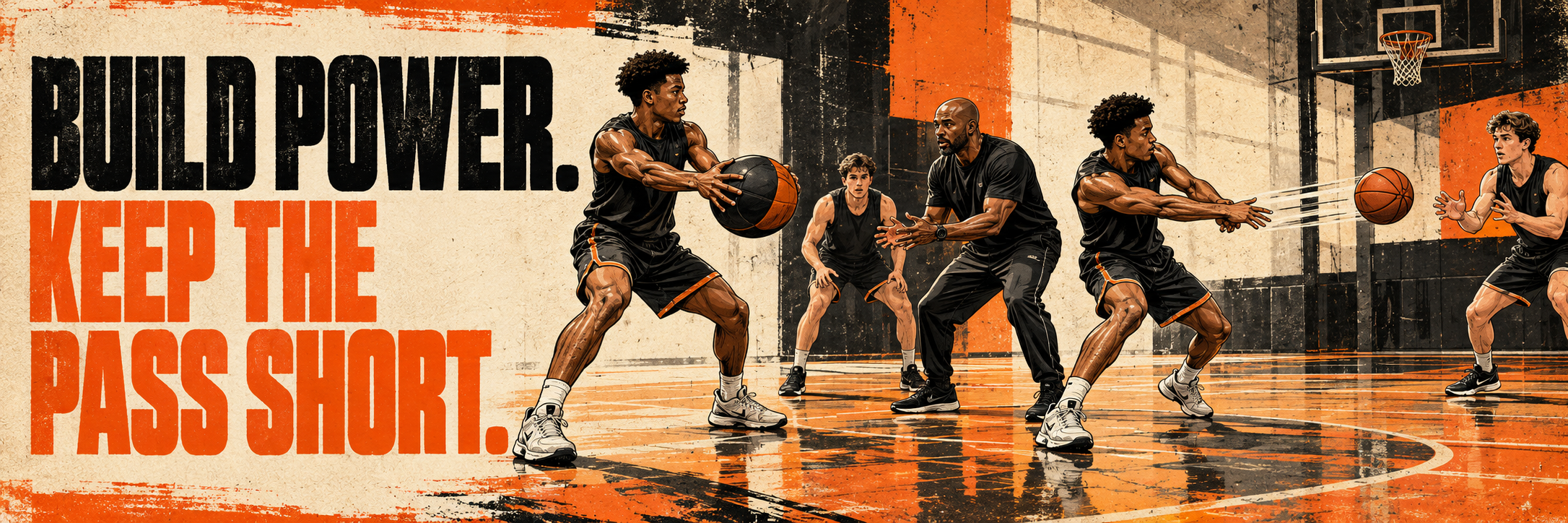
To support those qualities, I emphasize keeping the head up as the ball arrives, and even before it arrives. I also emphasize efficient movement and a short, quick dribble action rather than unnecessary, extended preparation.
These details have to survive pressure. A player who can pass accurately in an isolated drill still needs to recognize and deliver the pass inside the changing game.
Why the assist to turnover ratio is not enough
In my view, using the assist to turnover ratio as the main judgment of a point guard misses too much of the job.
Consider the pace the player creates, the number of possessions the player is involved in, and the turnovers within that context. A number on its own cannot show whether the player is helping the team play with purpose.
If players believe every turnover threatens their role, they may become cautious and stop creating. That can protect a statistic while limiting the offense.
This is not permission to throw the ball away. A player who loses it repeatedly needs better decisions and more effective practice. Sometimes the correction belongs in reaction speed and recognition, rather than another isolated lesson on passing form.
Reduce turnovers without slowing the team
Turnovers are part of basketball. I want players to keep running, recognize opportunities, and accept responsibility for the decisions they make.
The objective is to remove avoidable mistakes while preserving the pace that creates easy scoring chances.
In my original account, I described teams moving from more than 20 turnovers a game to no more than 12 without reducing their playing pace. That is a report from my coaching experience, not a guaranteed result for another team.
The work requires consistency: efficient movement, early vision, touch, and quick decisions under changing pressure.
Take it into practice
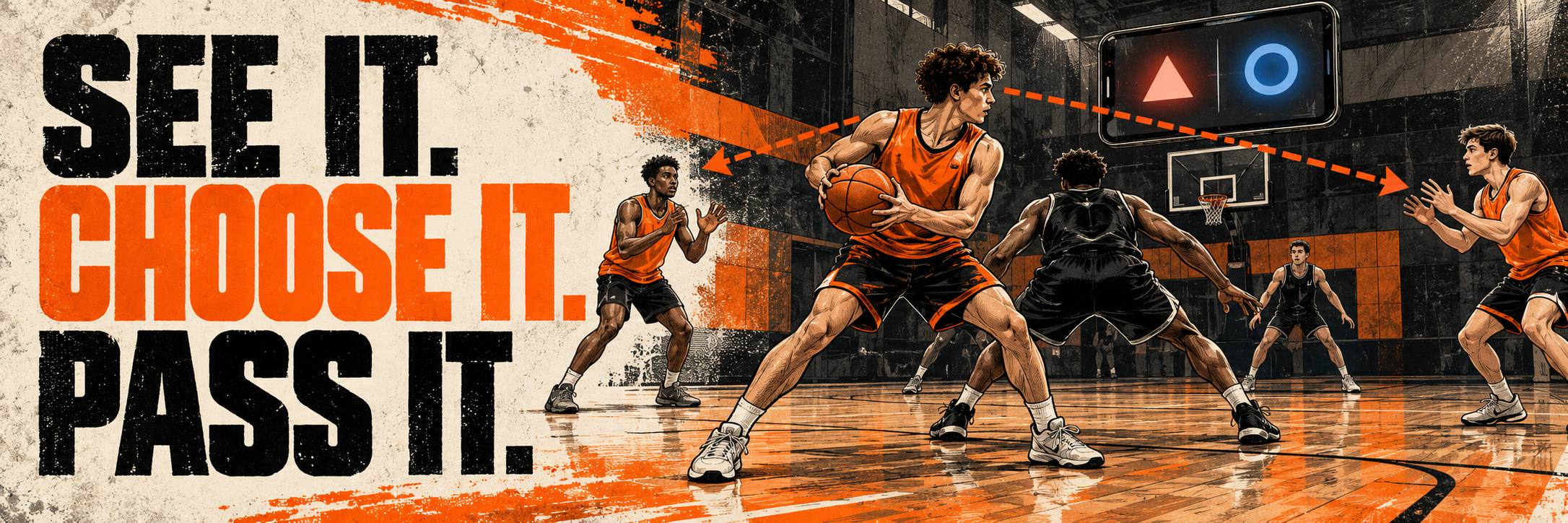
As a practical application, give the passer a moving receiver and a changing passing window. Add pressure that forces the player to identify the opening rather than follow a fixed command.
After a mistake, identify the cause. Was the player late to see the receiver? Was the window already closed? Was the delivery poorly placed? Did the receiver fail to prepare?
Coach the decision and the execution together. Keep the demand for pace, but give players a clear correction they can use on the next possession.
The question is bigger than assist or turnover: are we helping the player run the game?
Related practice from REACT CRT
This related workout connects visual information with basketball action. Use it alongside the principles in this article. It is a separate practice example, rather than a demonstration of every sequence described above.
Article 4 of the passing series. Adapted from Coach Yoed Agmon’s original article.