SEE THE CUE. READ THE PLAY. CHOOSE YOUR RESPONSE.
In a game, seeing the cue is only the start. A player has to work out what it means, choose a response and move with control. Cognitive Reaction Training puts those parts together and develops basketball agility.
READING THE GAME IS A BASKETBALL SKILL.
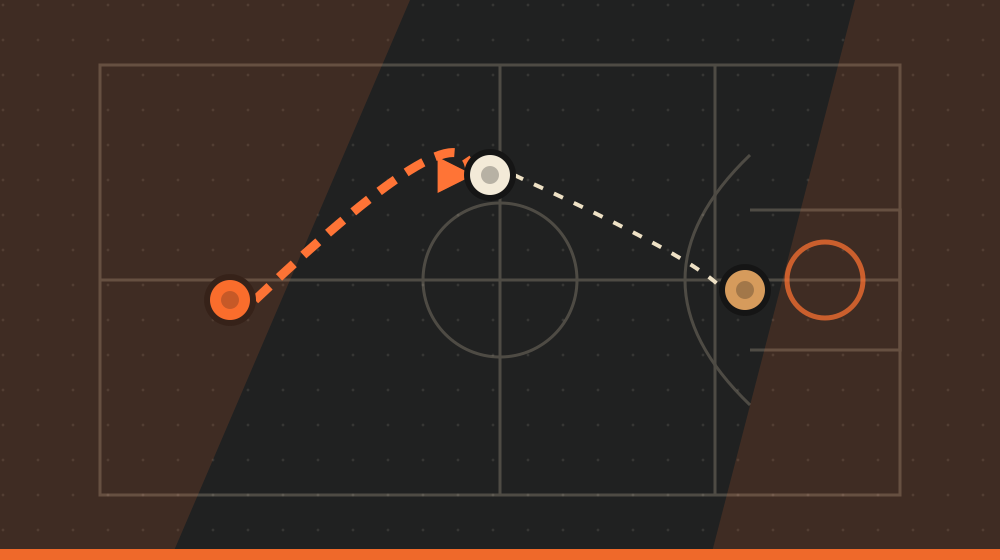
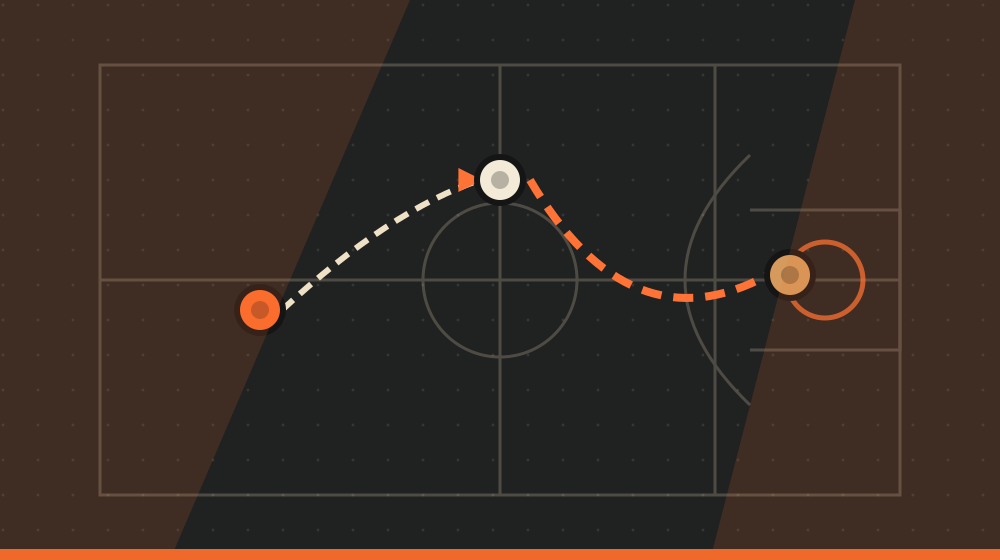
The ball never travels alone. Players have to keep track of teammates, defenders, open space and what might happen next. That is what I want them to practice, not just the movement in isolation. A beautiful isolated skill means very little if the player cannot use it at the right moment.
So practice has to connect the skill to the read. Add timing, a decision and pressure, then help the player make sense of what happened.
COACH THE WHOLE PLAYER.
PERCEPTION
Move the eyes away from the floor. Find the ball, the basket, the defender and the space that matters.
DECISION
Teach what to prioritize, not only which technique to perform. Give players a reason to pass, drive, stop or shoot.
MOVEMENT
Build basketball agility: brake, shift the center of mass and redirect force into the right next action.
EMOTION
Practice responding under uncertainty. Build a player who can act without becoming trapped by the previous mistake.
FROM A SIGNAL TO A SMARTER REP.
REACT CRT uses changing visual symbols to connect attention with action. The coach defines the meaning of each symbol and then chooses a physical task. The athlete must recognize the cue, decode its agreed meaning and respond with the right movement while staying aware of the court.
Start simple, increase complexity gradually and change the mappings when appropriate. It is one useful layer of practice, not a substitute for solid technique or live basketball.
Read about CRT ↗