A defender who has to recover is a defender you can attack. I use distance, balance and timing to teach players how to create that situation. A complicated dribble earns nothing unless it changes what the defender can cover.
Continue with REACT CRT: build defensive reactivity, then check the result against a live basketball read.
The ball is not the whole game
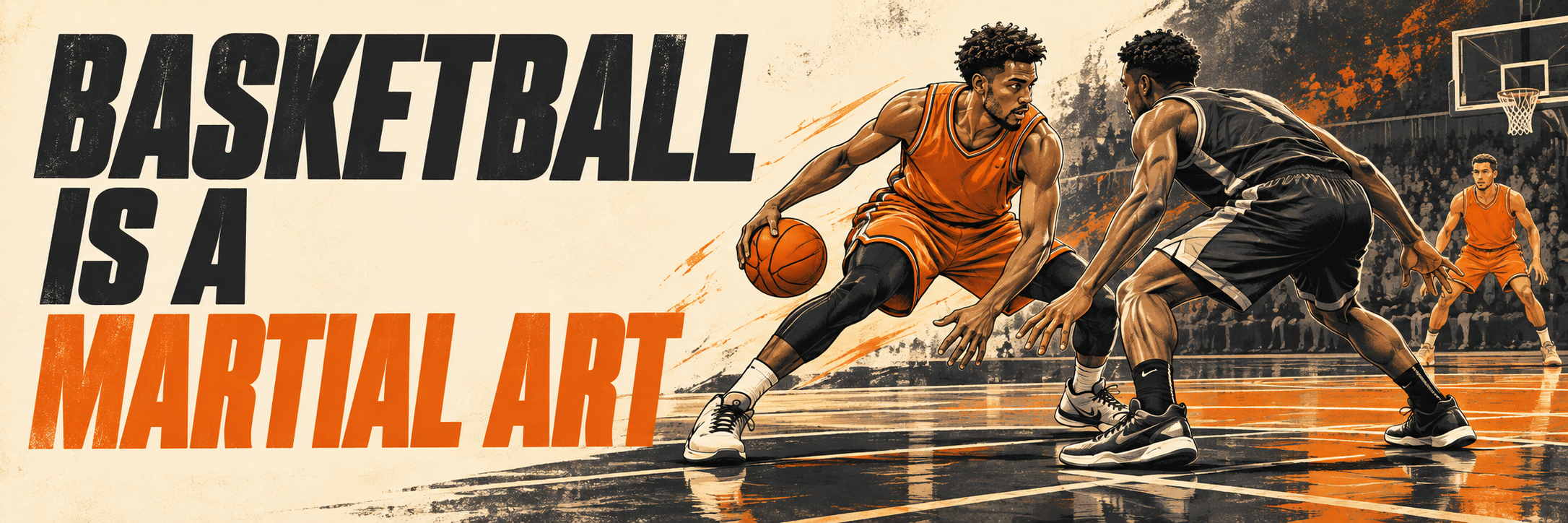
I compare this to martial arts for a reason. In aikido, a sword is a tool for working on movement and response. In basketball, the ball is a tool too. The real work is controlling space, timing and the defender’s next move. I demonstrate this with a large Pilates ball: it slows the movement down and makes the player pay attention to balance, position and the other player’s response.
Make the opponent react first
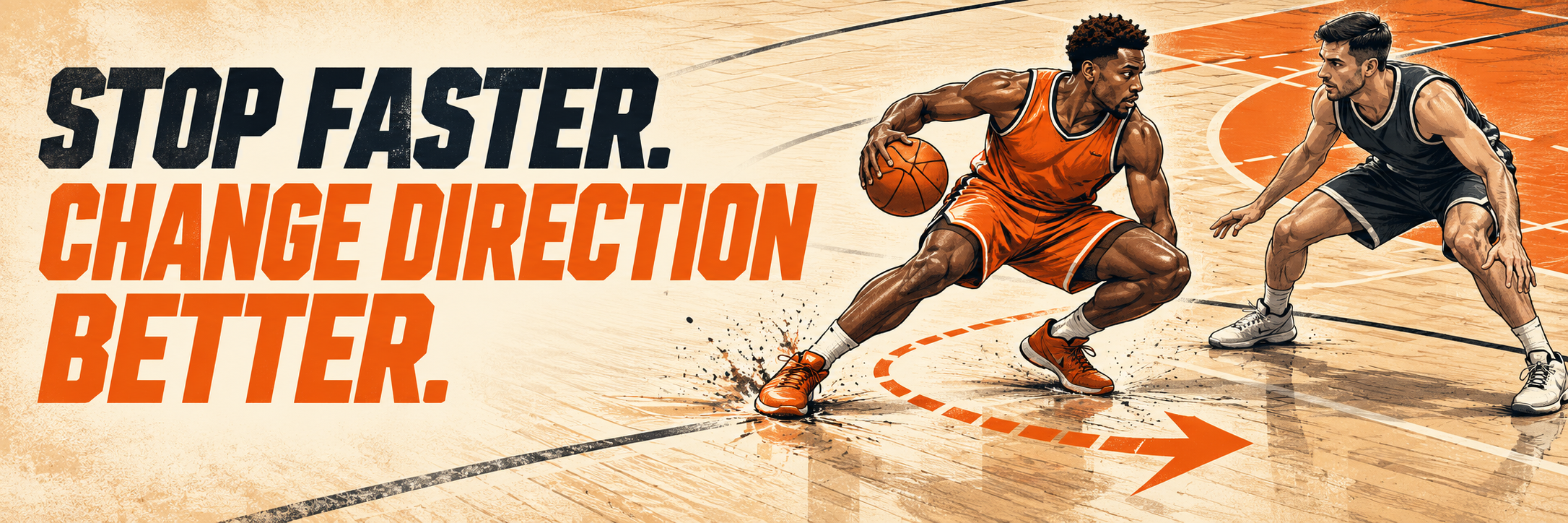
Look for the defender’s weight transfer. Use a stop, a shoulder position or a change of rhythm to get the defender leaning. Then move into the available space. If you only teach speed without timing, players run straight into a stronger defender. If you teach them to read and influence movement, the defender helps create the advantage.
Freedom still needs instruction
Letting players experiment is valuable, but it cannot replace teaching. Demonstrate the movement, break it down, use guided situations and give feedback. Players need tools to recognize what they are seeing. The role of the coach is not to control every thought. It is to make intelligent decisions possible.
Related practice: Reaction training in martial arts
“Make each day your masterpiece.”